France Visa & Residence Permit Fees: What Changes on May 1, 2026
Last updated: 12 March 2026
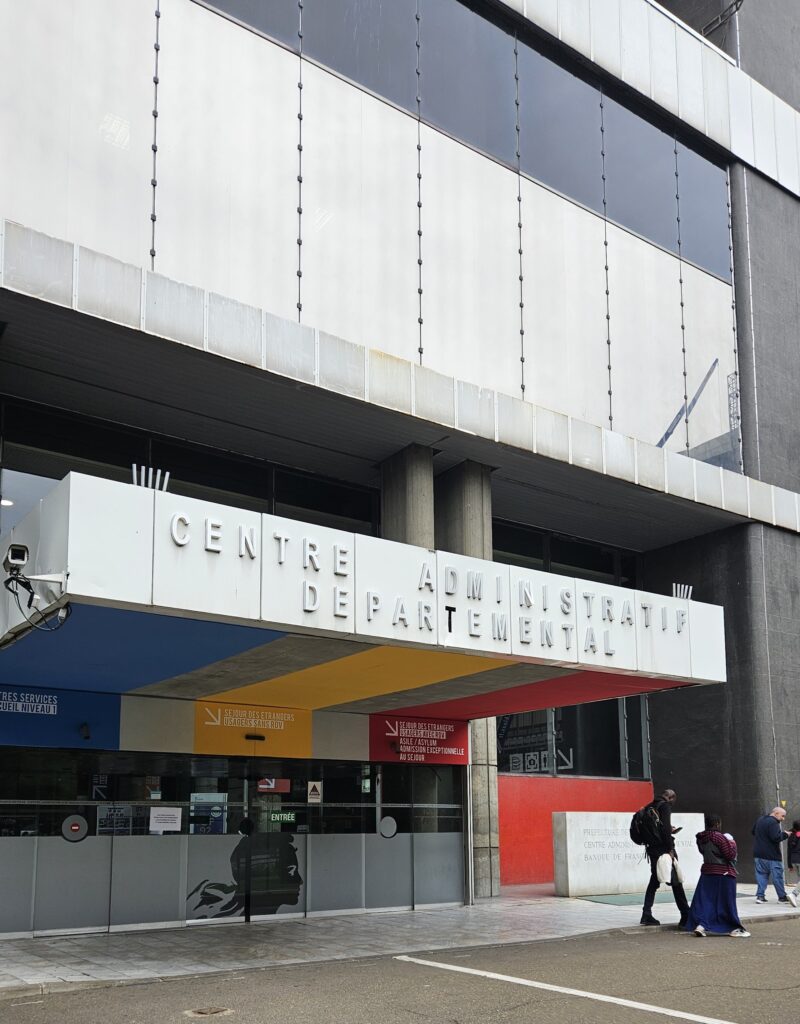
If you have a visa or residence permit application coming up in the next few months, you need to read this before you file.
France is increasing its immigration-related fees effective May 1, 2026, as part of the loi de finances 2026, published in the Journal Officiel on February 20. The changes affect first-time residence permit applicants, APS holders, people pursuing naturalization, and more. According to immigration specialists, this is the largest increase in immigration fees in France in a decade.
Here is exactly what is changing, who it affects, and what you can do before the deadline.
What Is Changing on May 1, 2026
The table below shows the current fees versus the new fees taking effect May 1. Green indicates the current rate, red indicates the new rate where it has increased.
Procedure | Current fee | From May 1, 2026 |
First residence permit (standard) | €200 | €300 |
First permit (reduced rate: students, au pairs, some family) | €50 | €100 |
Renewal (standard) | €200 | €200 (unchanged) |
Renewal (reduced rate) | €25 | €50 |
Administrative stamp (timbre fiscal): added to all applications | €25 | €50 |
APS (Autorisation Provisoire de Séjour) | Free | €100 |
Regularization tax (entered without required visa) | €200 | €300 (€100 non-refundable on refusal) |
Naturalization application | €55 | €255 (+364%) |
Foreign driving licence exchange | Free | €40 |
Important note: The timbre fiscal (administrative stamp) is added on top of the main tax for most applications. This means a standard first permit filed after May 1 costs €300 (main tax) + €50 (timbre fiscal) = €350 total, before any additional fees.
In some cases, fees stack further. According to La Cimade, the main French immigrant rights association, a person filing in the most complex circumstances could pay up to €650 for a one-year residence permit.
Who Is Affected
Here is what this means depending on your situation:
First-time residence permit applicants
The standard first permit fee rises from €200 to €300, plus the timbre fiscal doubling from €25 to €50. If your first application is coming up and your dossier is close to ready, filing before April 30 saves you €125.
Spouse and family visa holders
If you entered France legally on the correct visa and are now applying for your first residence permit as a spouse, the standard rate applies: €300 from May 1 (up from €200). Renewal remains unchanged at €200. Check whether you qualify for the reduced rate based on your specific permit category.
Students
Students fall under the reduced rate category: the first permit rises from €50 to €100, and renewal from €25 to €50. The fee doubles, but the reduced rate still applies. Confirm your eligibility for the reduced rate with your university or campus France advisor.
People mid-renewal process
Renewals remain at €200 for the standard rate. If your renewal is due in the coming months, the new fees do not affect you unless your application is filed on or after May 1.
APS (Autorisation Provisoire de Séjour) holders
This is a significant new cost for a particularly vulnerable group. The APS, often issued in precarious situations such as to parents of a seriously ill child, was previously free. From May 1 it will cost €100. There are some exemptions, but the specific conditions have not yet been fully published. Watch service-public.fr for clarification.
Anyone considering naturalization
The biggest increase of all. The naturalization application fee jumps from €55 to €255 — a 364% increase. This applies to both naturalization by decree (naturalisation par décret) and naturalization by marriage (déclaration de nationalité française par mariage). The loi de finances 2026 explicitly covers all “procédures déclaratives,” which includes acquisition by marriage, ascendant, or sibling of a French national. If you are a spouse of a French national and are planning to file, the €255 fee applies to you.
Important — language requirement already changed: From January 1, 2026, the French language requirement for naturalization by marriage has increased to B2 level, both oral and written. This change is already in effect. If you were planning to apply and were working toward a lower level, this affects your timeline. Verify your current level and factor this into your preparation before filing.
People who entered without a required visa
The regularization tax rises from €200 to €300, and the non-refundable portion taken at the time of filing doubles from €50 to €100. This means if your application is refused, you lose €100 rather than €50.
Who Is Exempt
Not everyone is affected by these increases. The following categories are explicitly exempt:
- Britons covered by the Brexit withdrawal agreement
- Recognized refugees
Most other categories, including Passeport Talent holders, are affected by the new rates. If you are unsure whether your specific permit category qualifies for an exemption or reduced rate, check directly with your préfecture.
The April 30 Deadline: Should You File Early?
The short answer is: if you are close to ready, yes. But note that most préfectures have a limit on how early you can apply. Please check with your préfecture on how soon you can apply before the expiration of your titre.
The new fees apply to applications filed on or after May 1, 2026. If your application or renewal is due in the next few months and your dossier is nearly complete, accelerating your timeline to file before April 30 could save you anywhere from €50 to €200 depending on your situation.
A word of caution: do not rush an incomplete dossier. A rejected application or a request for additional documents costs you time and potentially money. Only file early if your dossier is genuinely ready.
Heads up: A rush of prefectural appointments is expected in March and April as people try to beat the deadline. Book your appointment as early as possible if you need one. Slots are likely to fill faster than usual.
Where to Verify and File
Always verify current official fee amounts directly with the French government before filing. Fees and exemption conditions can be updated, and no blog post — including this one — replaces the official source.
- service-public.fr — official government portal with current fee schedules
- légifrance.fr — the full text of the loi de finances 2026, article 128
- ANEF (Administration Numérique pour les Étrangers en France) — for online application filing
- La Cimade (lacimade.org) — for rights information and support
If you are unsure about your specific situation, consult a qualified immigration lawyer or advisor before filing.
The Bottom Line
France’s immigration fees are going up significantly on May 1, 2026. The biggest impacts are on first-time applicants, APS holders, and anyone pursuing naturalization. Renewals for most standard permit categories remain unchanged.
I will update this post as more details become available, particularly around APS exemptions and reduced rate eligibility. Bookmark it and check back closer to May 1.

You May Also Like